Tier List
Lethal Ape monster tier list: S-tier run-enders to escapable C-tier chasers, ranked by escape difficulty, chase pressure and community experience.
Introduction
Not every monster in the lab is equally terrifying, and the Tier List hub sorts the roster by what actually matters: how hard each creature is to escape. Our rankings rest on two inputs — documented chase behavior from the monsters hub and community experience from videos, compilations and Reddit discussion — and they are updated as the roster grows and behavior changes. The tiers run from S, the run-enders whose chases leave the least room for error, down to C, creatures that only catch players who sprint blindly. The list is deliberately editorial rather than a stat table — the game has no official difficulty numbers — so each tier entry explains its reasoning, and the ranking-basis card states plainly what community consensus does and does not settle.
Monster Tier Rankings
| Tier | Meaning | Rating |
|---|---|---|
| S | Run-enders — least room for error | Meta-defining threats |
| A | Punish route mistakes, escapable with habits | Serious threats |
| B | Manageable once audio cues are known | Learnable chasers |
| C | Dangerous only to blind sprinters | Escapable with basics |
Tier Breakdown
S Tier — Run-Enders
Monsters whose chase patterns leave the least room for error
A Tier — Serious Threats
Punish route mistakes but yield to good habits
B Tier — Learnable Chasers
Manageable once you know their audio cues
C Tier — Escapable With Basics
Dangerous only to players who sprint blindly
Core Mechanics
The tier methodology weighs three factors, in order. Chase pressure: how little time a monster's cue-to-contact window leaves you, and how hard its pursuit pattern is to break. Punishment: what a route mistake costs — creatures that trap you in single-exit rooms rank above creatures you can simply outrun. Skill ceiling: whether the counterplay is a learnable habit or a raw reaction test. Community experience modulates all three — a monster that videos show escaping players consistently lands lower than its raw pressure suggests. The list also separates base creatures from variants: Horror Sandman is ranked with the Sandman family's knowledge in mind, not as an unknown. Because the game has no official difficulty data, the whole structure is an editorial synthesis of behavior notes and community consensus, and it says so on the page.
Advantages
A tier list converts a roster of forty-plus names into a study plan. New players learn the S and A tiers first because those are the creatures that end runs; the B and C tiers can wait until the habits hold under pressure. Group players use it to divide attention — someone who knows the S-tier counterplay covers the threats that matter while friends learn the rest. The list also disciplines expectations: players who die to a C-tier monster know the fault was in their habits rather than an unfair creature, which is exactly the information needed to fix the mistake. And because every placement links to a monster page with its own escape notes, the tier list doubles as a reading order for the bestiary, from the threats that matter most downward.
Challenges
Every tier list for this game is an editorial construction, and this one is no exception. The game publishes no difficulty statistics, so placements rest on community experience that varies by server size, map knowledge and player skill — a monster that terrorizes a new player's lobby may be routine for veterans. The roster's documentation gaps compound the problem: single-source creatures have thin behavior data to rank, and variants shift the picture with each event. Placements also age — behavior changes in updates can move a creature a full tier before the list catches up. Treat the rankings as a well-argued starting point for your own experience: the counterplay notes on each monster page matter more than the letter next to its name.
Frequently Asked Questions
What is the most dangerous monster in Lethal Ape?+
How often does the tier list change?+
Do the tiers measure how scary a monster is?+
Quick Tips
Study downward, not upward. Once you can reliably escape the S and A tier creatures, the B and C tiers mostly take care of themselves — the same habits applied to gentler chases. Players who grind the easiest monsters first build confidence that collapses the first time a run-ender shows up, so spend your study time where the danger actually lives and let the easy tiers come naturally.
Re-check placements after every update. Behavior changes move monsters between tiers, and a placement you memorized last patch may be quietly stale — an updated chase pattern can shift a creature a full letter. The reasoning text on each tier entry tells you what to re-verify in game, so if a placement surprises you during a run, treat that surprise as information and check the monster's page.
Disagree with a placement? Test it yourself. Queue into the lab, apply the monster page's counterplay, and see whether your experience matches the tier you read. Community consensus improves exactly this way — the list is a synthesis of players running precisely that experiment and reporting results back. Your disagreement, backed by a few honest runs, is worth more than an argument in a comment section.
Featured

Lethal Ape Tier List: Every Monster Ranked by Chase and Scare
Build the definitive Lethal Ape tier list by ranking every monster on chase speed, jumpscare impact, and lab survival threat from Sandman down to Scar.

Lethal Ape Hardest Monster: Full Difficulty Ranking
Find out which monster is the hardest to escape, ranked by chase speed, ambush patterns, and dark-area threats from Sandman to Lost.

Lethal Ape Threat Levels: Chase Difficulty Ranked
Break down Lethal Ape threat levels across the roster, ranking every monster's chase difficulty and escape risk from the Lab to the Caves.
All Articles

Lethal Ape Top 5 Monsters: Scariest Creatures Ranked and Compared
Meet the Lethal Ape top 5 monsters side by side, comparing Sandman, Ashy, Dus, Lost, and Gus on speed, jumpscare power, and overall horror ranking.
Lethal Ape Forest or Caves: Which Gamemode Is Actually Harder
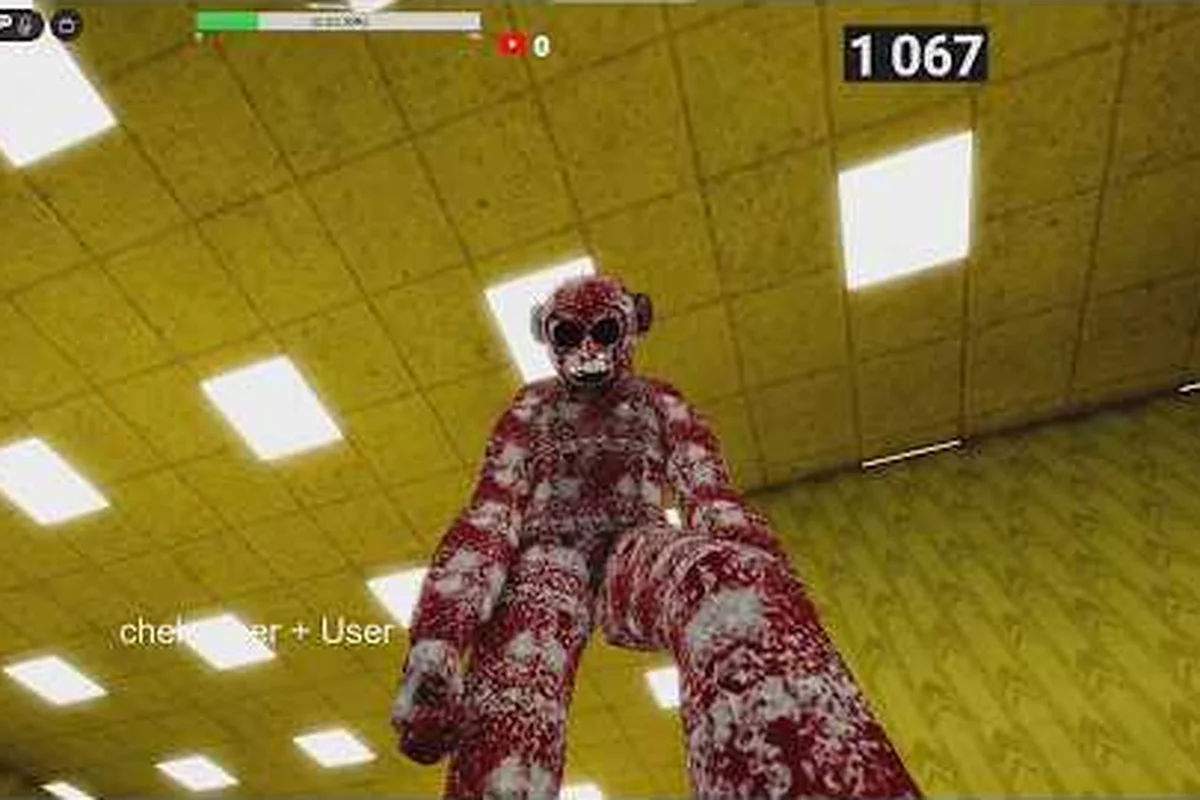
Compare Lethal Ape Forest vs Caves on difficulty, lighting, hiding spots, and monster threats to decide which gamemode deserves the top spot on your tier list.
Lethal Ape Lost Tier: Where Lost Stands vs Gus and Gooba
Place Lethal Ape Lost on the tier list and see how it stacks up against Gus, Gooba, Noxar, and Protoape based on jumpscare fear and chase pressure.