
Lore & Stories
Lethal Ape lore and monster stories: where each creature came from, how the Roblox version connects to Lethal Ape VR, and the theories the community debates.
Introduction
The monsters have stories, and the Lore hub collects what the community has pieced together about them. Lethal Ape's fiction spans two layers: the franchise origin — Xeva's Lethal Ape VR, which the Roblox game explicitly credits — and the Roblox version's own canon of monster stories, limited events and unexplained corners like the Yellow Room. This hub covers the creatures with enough fan interest to generate story searches of their own, especially Dus and the Gus family, plus the events that added narrative flavor: The Real Nightmare, Parallel Universes and the Easter event. A warning worth repeating: almost nothing here is officially documented, so the hub leans on community discussion, video essays and the fan wiki, and it marks clearly which stories are community interpretation rather than confirmed fact.
Story Threads Quick Reference
| Thread | What It Covers | Confidence |
|---|---|---|
| Franchise origin | Xeva's VR original and its credit in the Roblox game | Confirmed |
| Dus story | The creature with its own story and model following | Community |
| Gus family lore | Gus, Horror Gus and Kus connections | Community |
| Lost media angle | Why 'lost' searches blend monster and lost-media | Community |
| Event lore | The Real Nightmare, Parallel Universes, Easter | Community |
Story Files
Franchise Origin
Xeva's VR original and the Roblox game's credit to it
The Dus Story
The creature with enough fan interest to drive its own searches
Gus Family Lore
How the community connects Gus, Horror Gus and Kus
The Lost Media Angle
Why 'Lethal Ape lost' searches blend two different topics
Event Lore
The Real Nightmare, Parallel Universes and the Easter event
Core Mechanics
Lethal Ape's storytelling works differently from narrative games: the Roblox version embeds its fiction in creature design, area names and limited events rather than cutscenes, and the community assembles the pieces. The franchise frame is the one officially confirmed element — the game credits Xeva's Lethal Ape VR as the original and builds its own canon on top, with its own maps, stories, gamemodes and monsters. Within that frame, the community tracks monster origin theories, event narratives and connecting threads between creatures like the Gus family. The result is a lore ecosystem that behaves more like an ARG than a story mode: fan wikis, video essays and Reddit theories each hold pieces, and this hub's job is to assemble them with confidence labels — confirmed where the developer has stated something, community where interpretation is doing the work.
Advantages
Following the lore adds a second game on top of the survival one: knowing the monster stories makes encounters read as narrative beats rather than random scares, and recognizing event references connects your runs to the wider community conversation. The hub also saves you from the common search trap — queries like 'Lethal Ape lost' mix the monster with lost-media hunting around the franchise, and knowing the difference leads you to the right content faster. For creators and curious players, the confidence labels show exactly where a theory is solid versus speculative, which is rare in a fandom where interpretation and fact blur. And because the lore hub links monsters to their sounds, maps and event coverage, a single story thread becomes a route through the whole wiki.
Challenges
Almost every story on this hub is community interpretation by necessity. The developer has not published official lore documents, the fan wiki is small and may be outdated, and video essays dramatize by design. Names and events carry real uncertainty: 'Parallel Universers' on the fan wiki appears to be a typo for Parallel Universes, some event details come from single videos, and theories that sound authoritative can rest on one creator's reading of a room's decor. This hub handles that honestly — confirmed facts are labeled confirmed, everything else is presented as what the community believes and why — but readers should expect stories to shift as new updates add canon and old theories get revised or retired.
Frequently Asked Questions
What is the connection between Lethal Ape VR and the Roblox game?+
Is there official lore documentation?+
What are The Real Nightmare and Parallel Universes?+
Quick Tips
Check the confidence label before repeating a story as fact. The community's lore discussions are excellent, but a theory repeated confidently enough starts sounding official, and the difference matters when you share it. When you tell a monster story to friends, the honest framing is 'the community believes' — which is exactly how this hub writes it. The label system exists so fandom enthusiasm and verified fact never blur in your notes.
Follow a story thread across the wiki. The Dus story leads to its sound searches, its monster entry and the fan model scene; the Gus family thread connects creatures, variants and event appearances. Lore is the fastest way to turn this wiki from a reference into a connected map of the fandom.
Watch event windows for lore, not just rewards. Limited events like The Real Nightmare are when the developer adds narrative flavor, and the community documents them in real time. If you care about the stories, playing during an event — or reading the coverage right after — is how you see the canon while it is fresh.
Featured
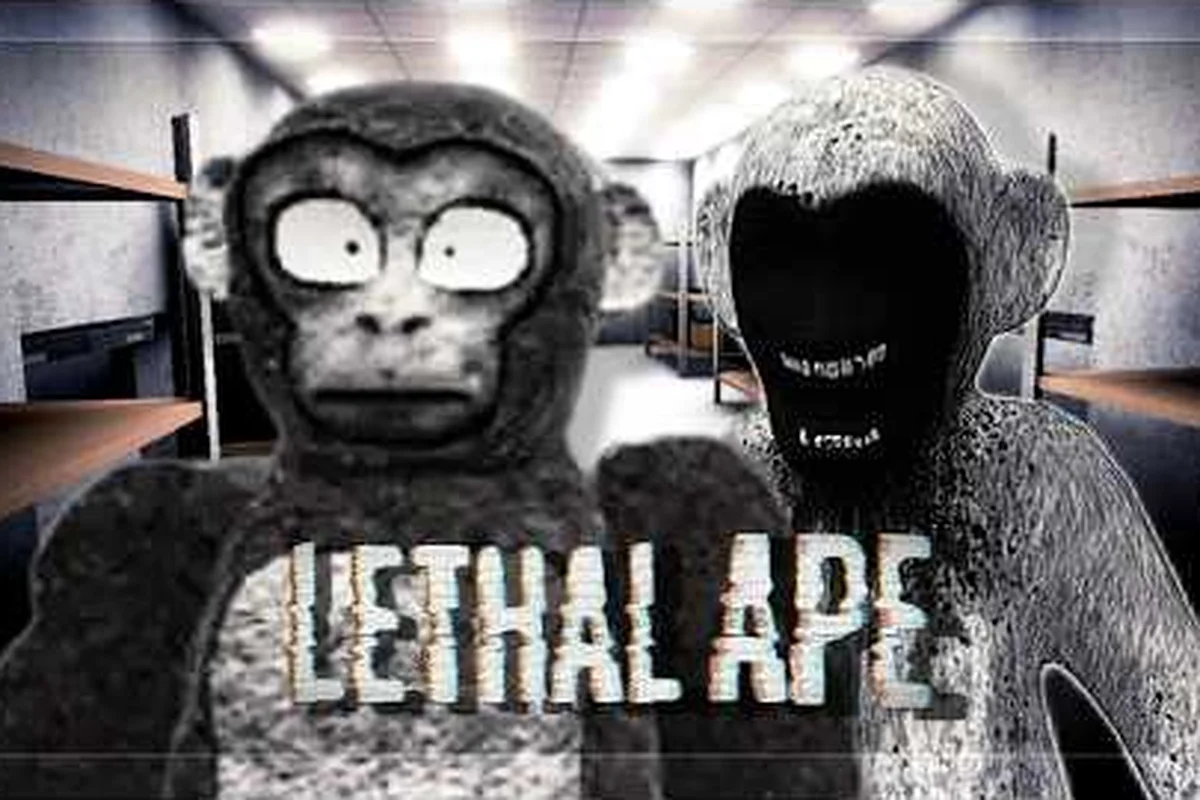
Lethal Ape Ending: True Ending, Xeva VR Roots, and Franchise Link
Reach the Lethal Ape ending by understanding the Xeva VR original, the gub_dev Roblox remake, and the hidden lore that ties both versions together.
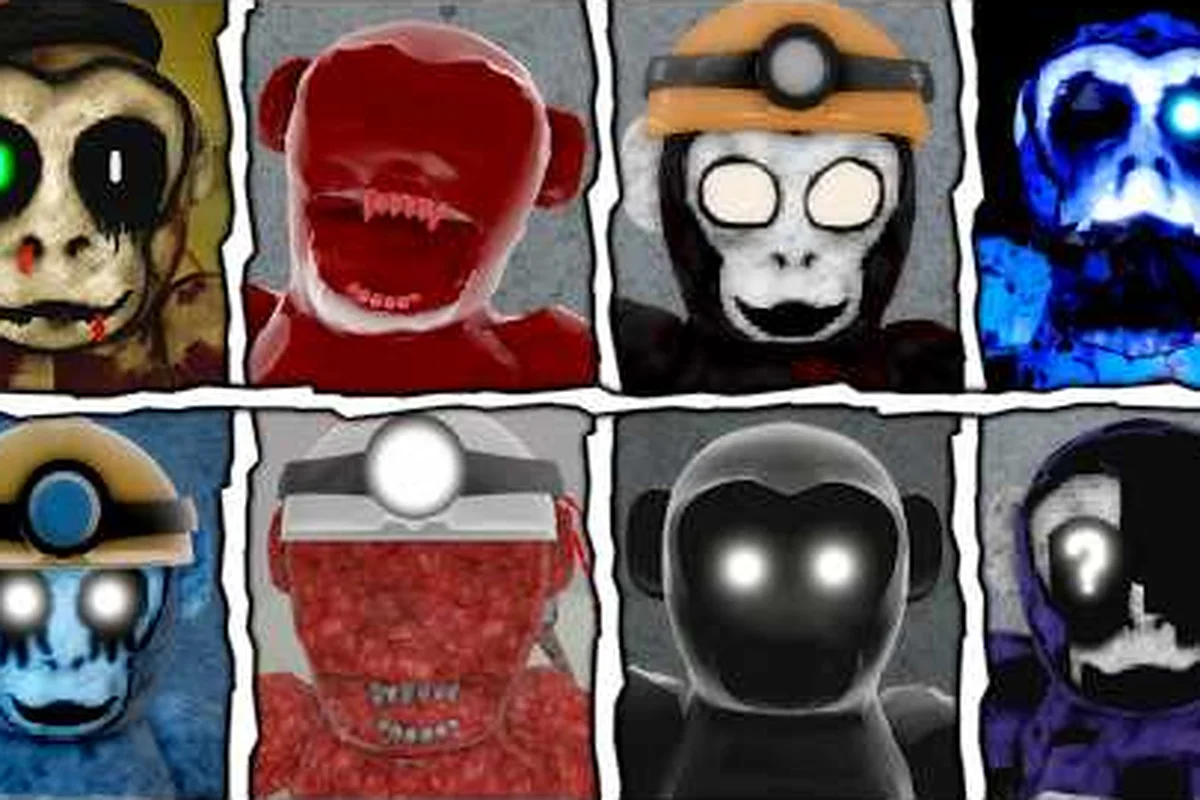
Lethal Ape Kus Story: Nuclear Waste, Gooba, and Real Nightmare
Trace the Lethal Ape Kus story from its radioactive barrel origin to the Real Nightmare event, the Gooba link, and the parallel universe clues fans have connected.
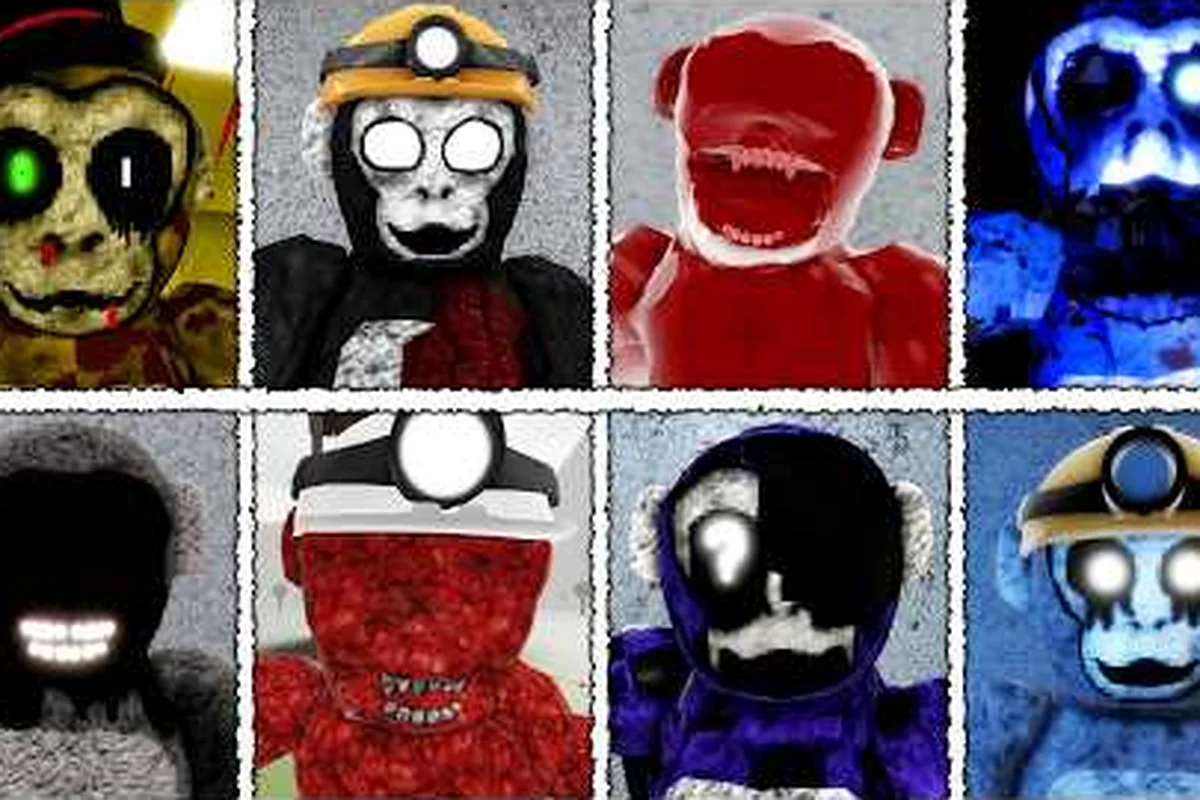
Lethal Ape Dark Truth: Sandman, Dus, Lost, and Bloodman Secrets
Dig into the Lethal Ape dark truth behind Sandman, Dus, Lost, and Bloodman, uncovering the disturbing origins the community has connected.
All Articles
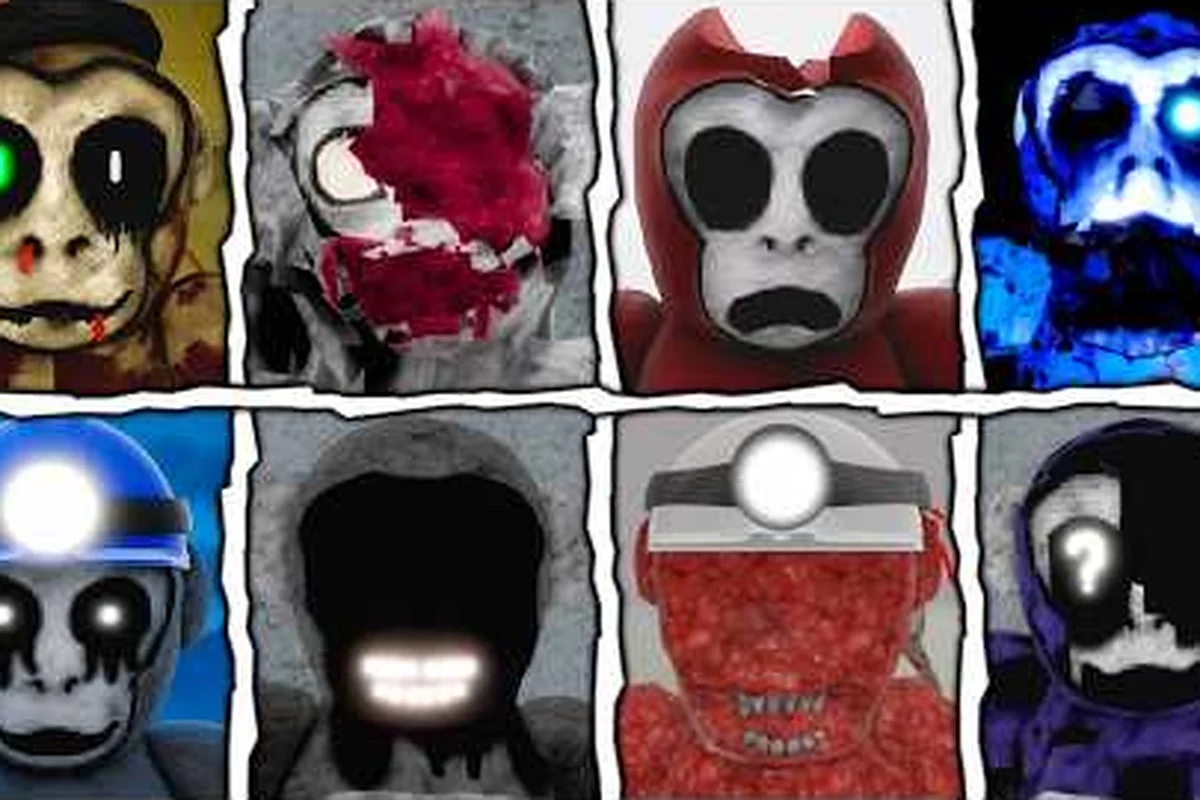
Lethal Ape Creepypasta: Lore, Backstory, and Fan Theories
Explore Lethal Ape creepypasta lore, from Kus's radioactive origin to the Sandman and Dus theories that explain the full timeline.
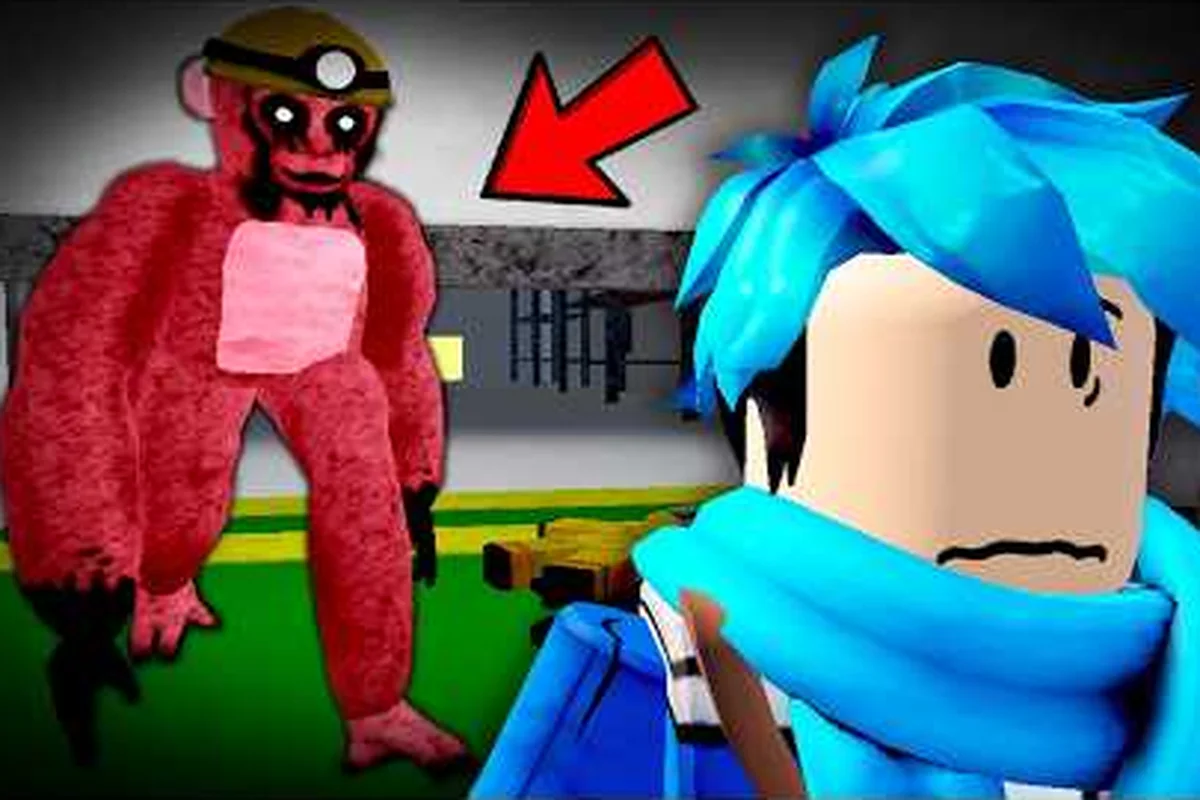
Lethal Ape Story Explained: Lab, Monsters, and True Timeline
Follow the lethal ape story explained from the original VR prototype through the Roblox remake, breaking down Dus, Gus, Sandman, and the true ending timeline.
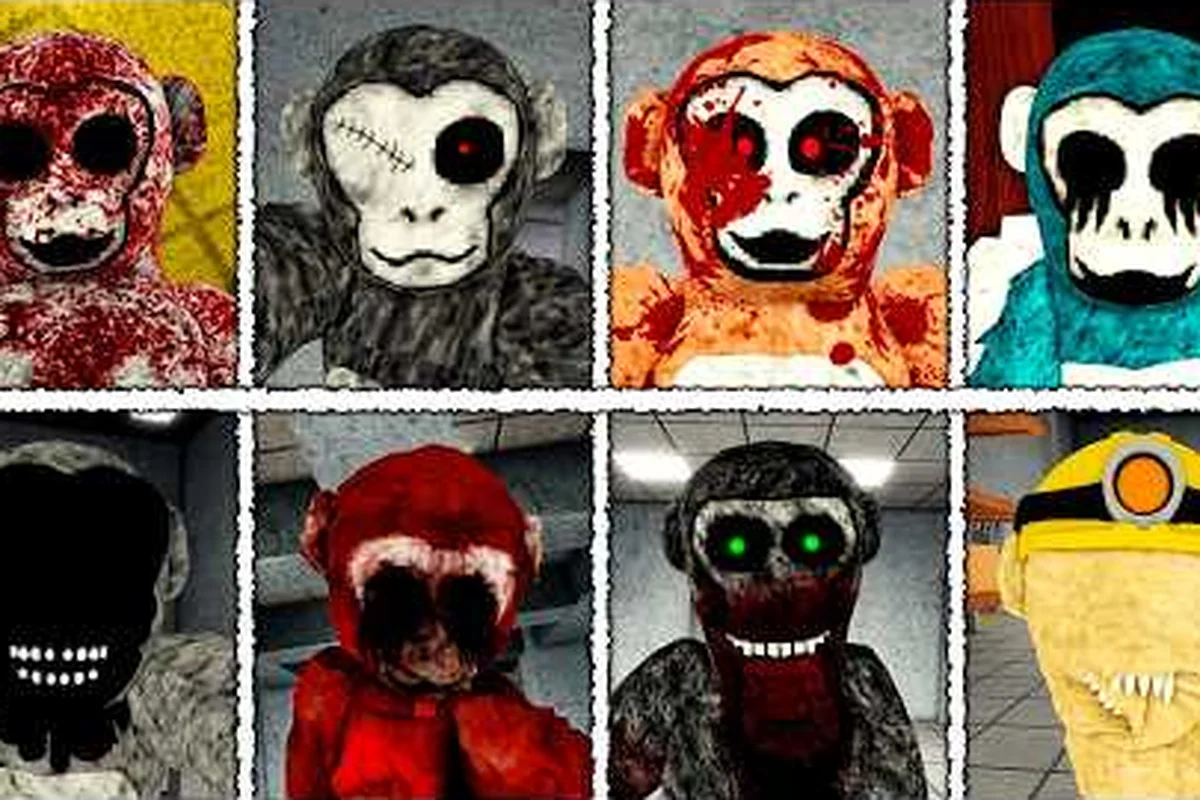
Lethal Ape Lost Story: Car-Struck Monkey to Ape Hunter Origin
Trace the Lethal Ape Lost monster story from abandoned monkey to car-struck survivor, including the true ending hints fans have pieced together.