
Sounds & Jumpscares
Lethal Ape monster sounds and jumpscares cataloged: the screams, chase audio and stingers for each creature, and how to use sound as your early-warning system.
Introduction
Half the horror is audio, and the Sounds hub catalogs it: the chase screams, ambient drones and jumpscare stingers attached to each creature in the lab. Sound matters mechanically in Lethal Ape — every documented monster announces itself before it arrives, which makes your ears the earliest warning system you have. Players search this content constantly: queries like 'Dus sound', 'Gus scream' and 'Sandman sound' are among the biggest search clusters in the fandom, and community clip compilations rack up six-figure views. This hub organizes what the community has documented, monster by monster: which cue belongs to which creature, what each sound warns you about, and how to turn the game's audio design into a survival advantage rather than background noise.
Audio Cues Quick Reference
| Sound | Character | Warning Value |
|---|---|---|
| Gus scream | The most-shared monster audio | A Gus chase is starting |
| Dus chase audio | Persistent, recognizable loop | Dus has your trail |
| Sandman cues | Pre-chase warning sounds | Sandman is stalking nearby |
| Jumpscare stingers | Unique catch stinger per monster | Who just caught you |
| Lab ambience | Room tone that shifts with movement | Something is moving nearby |
Audio Files
Gus Scream
The most-shared monster sound in community compilations
Dus Chase Audio
The chase audio fans hunt for outside the game
Sandman Cues
Signature warnings that play before a Sandman chase starts
Jumpscare Stingers
What plays when a monster catches you, creature by creature
Lab Ambience
The room-tone radar that most new players ignore
Core Mechanics
Lethal Ape's audio design layers three streams. The ambience bed gives every room a baseline tone, and deviations — a distant thud, a change in drone — are the game's radar. The chase layer sits on top: each documented monster carries a distinctive pre-chase and chase audio package, so an experienced player can identify the threat before visual contact. Finally, the jumpscare layer plays a unique stinger when a monster catches you, and the community has turned those stingers into an identification tool in reverse — players recognize which creature got them by sound alone. The hub maps all three streams against the monster roster, describes the character of each cue in words, and explains the survival habits that use them: headphone play, movement timing in the Caves, and treating silence as information rather than comfort.
Advantages
Studying the audio converts directly into survival time. A player who knows Gus's scream starts escaping before Gus is visible; a player who does not meets the jumpscare first. The hub also pays off in the Caves specifically, where darkness makes audio the primary sense and the sound-savvy player holds a decisive edge. Group play benefits too — calling out a monster by its sound cue coordinates a lobby faster than any description. Beyond mechanics, the hub serves the fandom's huge audio-search traffic: whether you are hunting 'Dus sound' clips, identifying a jumpscare from a video, or building a monster-sound compilation of your own, the catalog tells you which creature makes which noise and what it means.
Challenges
Sound is the hardest part of the game to document in text. Descriptions of audio are inherently approximate — a 'low drone' means different things to different ears — and the community's clip compilations, while excellent, capture specific moments rather than the full cue set. Some monsters' audio is only documented in single videos, and update reworks can change cues without notice, so a description that was accurate last patch may be stale. The hub therefore treats sound as supporting evidence rather than settled fact: pair the audio catalog with the monster behavior pages, verify in game with headphones, and expect the community's understanding of a cue to sharpen over time as more clips accumulate.
Frequently Asked Questions
Why are monster sounds such a big search topic?+
How do I get better at reacting to monster sounds?+
How do I tell which monster caught me?+
Quick Tips
Play with headphones from your very first run. The audio mix carries distance information that speakers lose entirely, and the difference between a monster two rooms away and one in your corridor is exactly the margin you need to escape. Muted players are the ones compilations are made of — do not be one. Even cheap earbuds buy you the seconds that decide most chases in this game.
Learn silence as a signal too. Rooms that go quiet — the ambience dropping out, background movement stopping — often mean something significant is nearby and the game is focusing its audio on it. Experienced players treat sudden silence as a reason to stop moving and listen hard rather than a reason to relax. Paired with the monster cues, the quiet moments are half of what your ears can tell you.
Build your ear with community compilations between sessions. The monster-sound videos pair each creature with its cue, so a few minutes of focused listening teaches recognition faster than dozens of in-game encounters ever could. Then verify in game — clips compress audio, and live cues carry spatial information the videos cannot reproduce. The combination of studied listening and live practice is what turns audio knowledge into escapes.
Featured
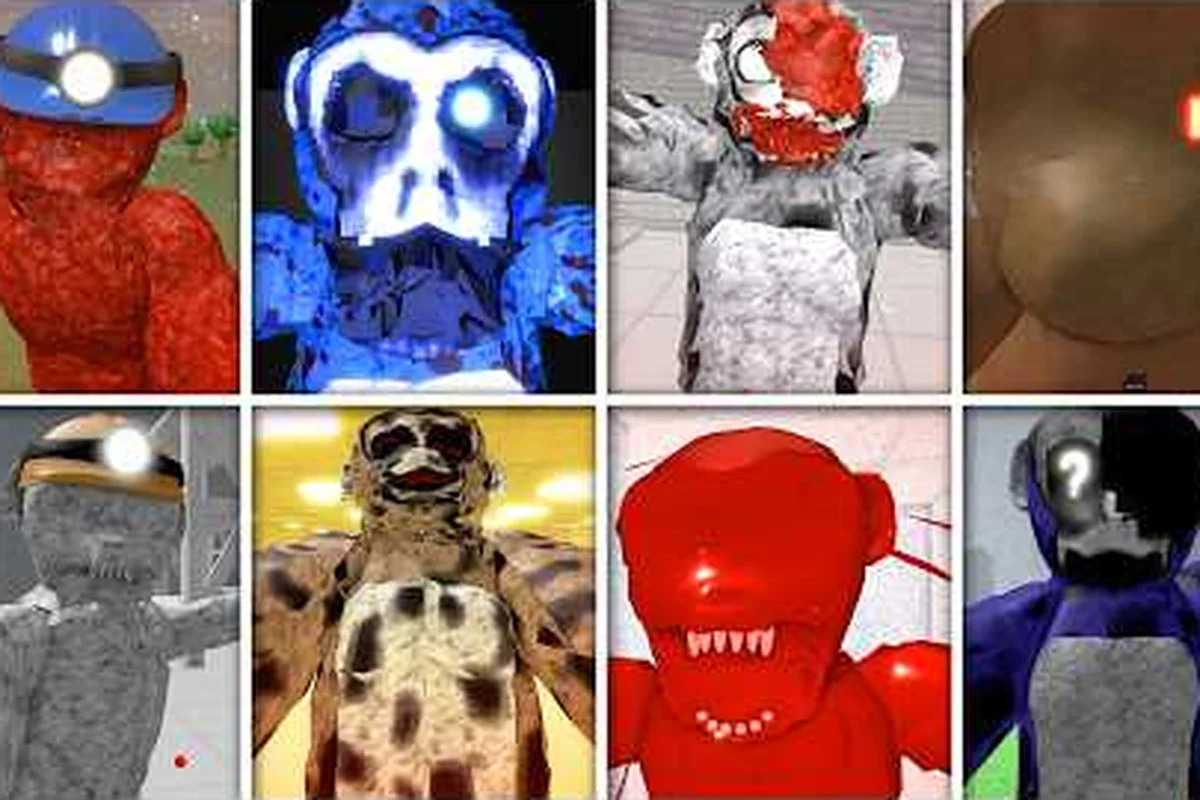
Lethal Ape Ashy Sound: Gooba, Kus, Scar, and Bloodman Audio
Hear the Lethal Ape Ashy sound pack — Gooba cues, Kus roars, Scar's bark, and Bloodman audio compared side by side.
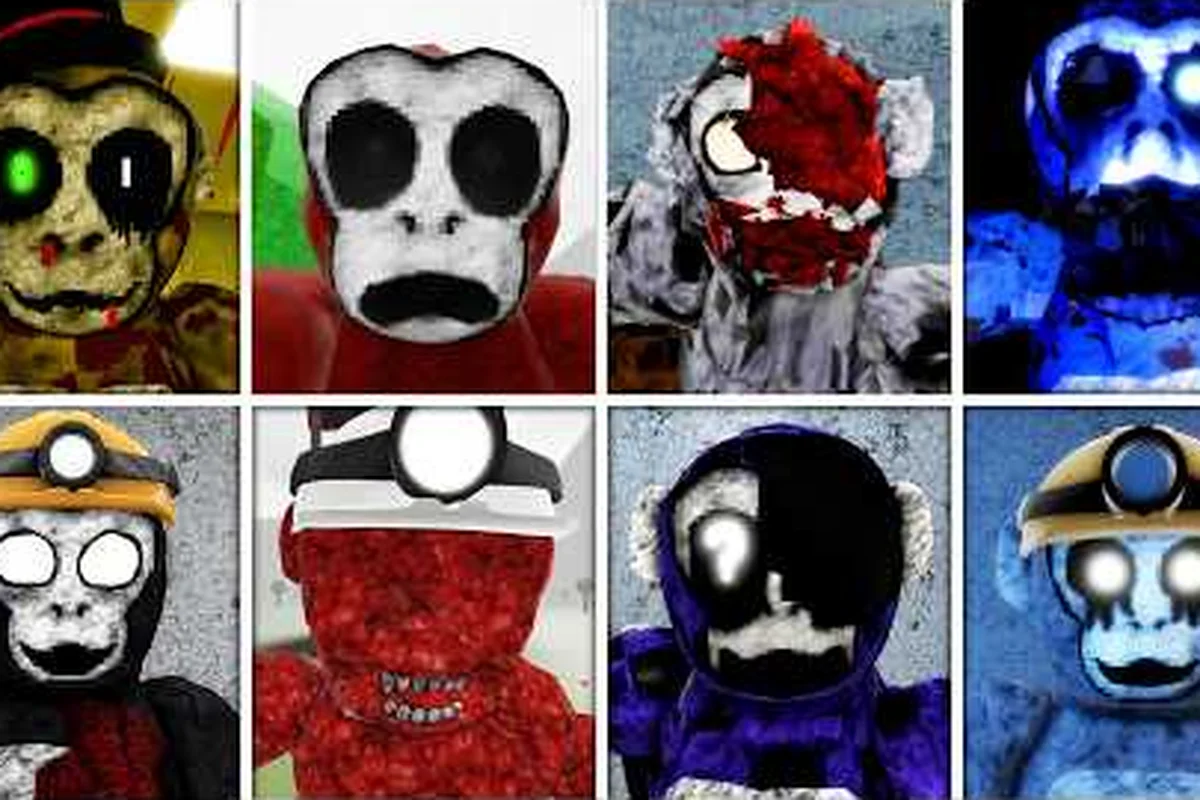
Lethal Ape Claw Sound: Horror Sandman, Protoape, and Ashy Audio
Map the Lethal Ape Claw sound alongside Horror Sandman, Protoape, and Bloody Ashy variants to recognize every monster cue before the jumpscare lands.
Lethal Ape Jumpscare Sound Guide: Every Scare and When It Hits
Break down each Lethal Ape jumpscare sound by monster and map area so you can predict every scare before it lands and survive the Lab, Forest, and Caves.
All Articles
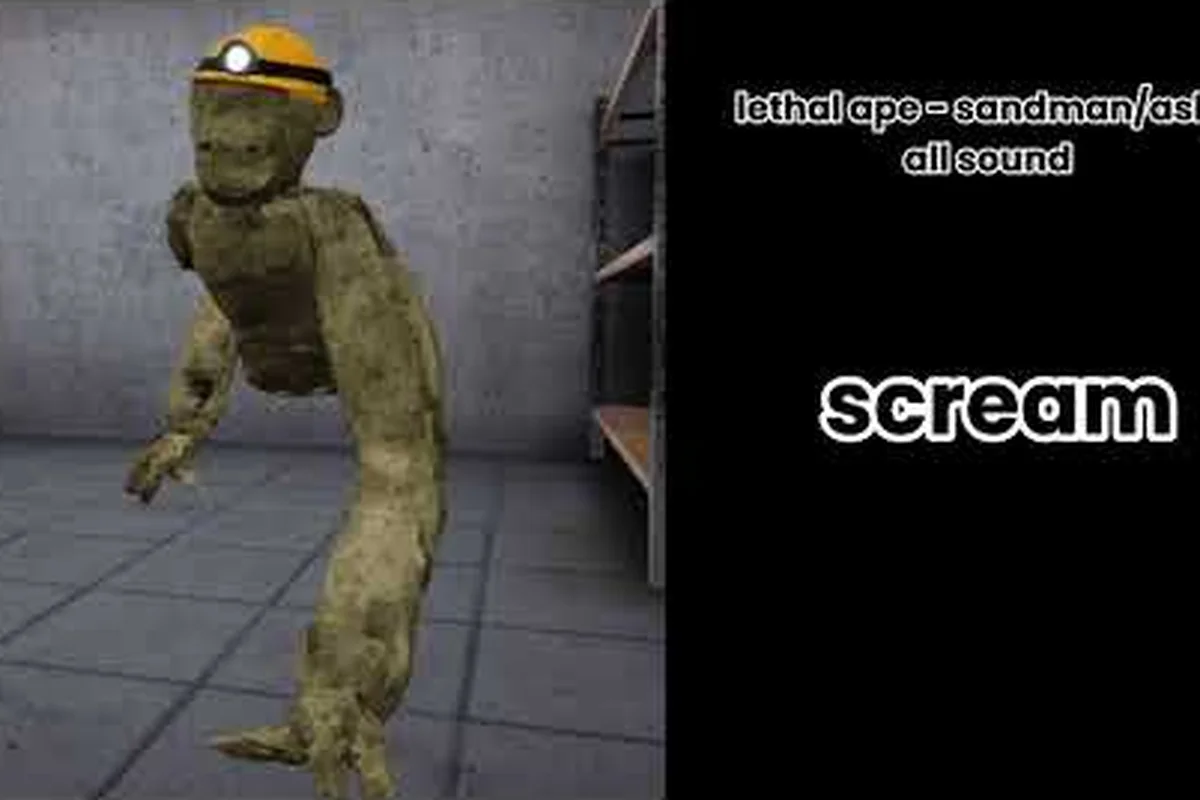
Lethal Ape Monster Sounds: Dus, Gus, and Sandman Audio Cues
Learn every Lethal Ape monster sound that telegraphs a chase — Dus's 'Where is my family?' line, Gus's Chase.ogg theme, and Sandman's tells before each jumpscare.
Lethal Ape Loud Sounds: Screams, Jumpscares, and Ambience Hits
Brace yourself for the loudest Lethal Ape loud sounds in the roster — chase screams, lab ambience, and jumpscare audio mapped to encounters.
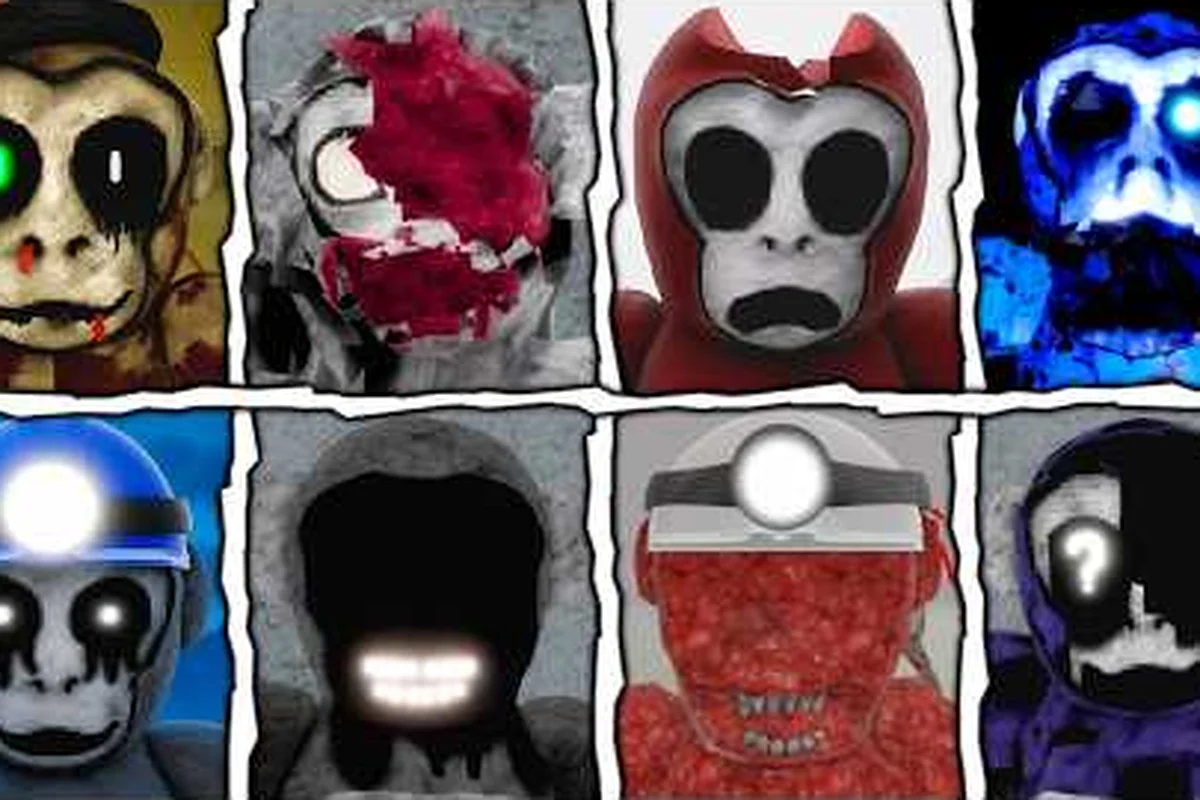
Lethal Ape Meat Sound: John, Sandguy, and Fearful Audio Guide
Catalog every Lethal Ape Meat sound alongside Laboratory John's jumpscare, Sandguy's noises, and the 55-monster audio roster used to telegraph chases in-game.